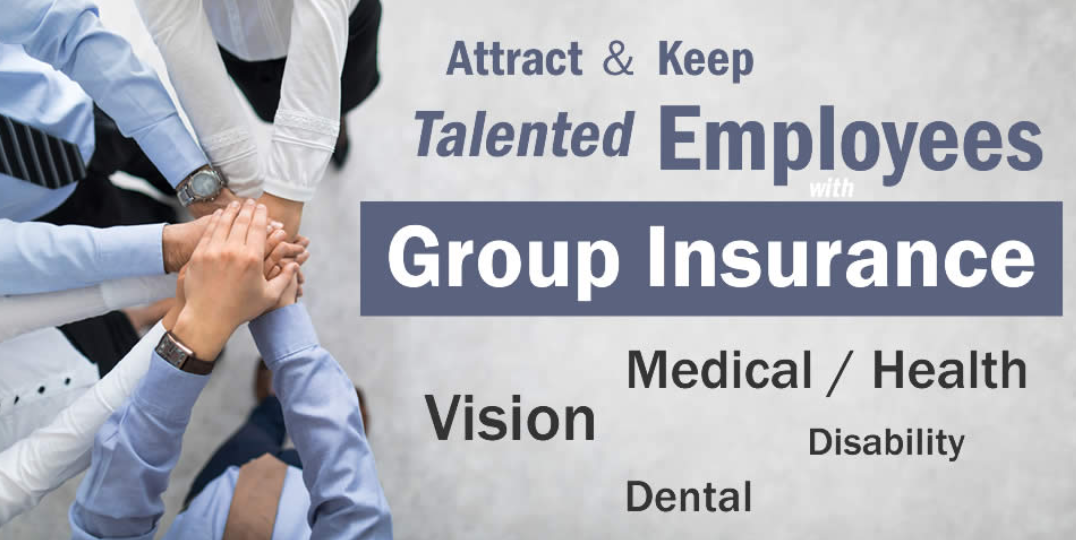
Providing quality health insurance plans for small business employees is no longer a luxury—it is a strategic investment that helps businesses attract talent, improve employee retention, and boost workplace productivity.
In today’s competitive labor market, employees expect comprehensive health benefits as part of their compensation package. Small businesses that offer health insurance often gain a significant advantage over competitors who do not provide healthcare coverage.
Whether you run a startup, family-owned company, local retail store, professional services firm, or growing enterprise, understanding your options can help you select the right employee healthcare plan while controlling costs.
This comprehensive guide explains everything employers need to know about health insurance plans for small business employees in 2026.
Why Small Businesses Should Offer Health Insurance
Many small business owners assume health insurance is too expensive. However, the long-term benefits frequently outweigh the costs.
Advantages include:
1. Attract Better Talent
Job seekers often compare benefit packages before accepting employment offers. A strong healthcare package makes your business more attractive.
Benefits include:
- Improved recruitment success
- Higher-quality applicants
- Competitive hiring advantage
- Enhanced employer reputation
2. Increase Employee Retention
Replacing employees can be expensive.
Health benefits help:
- Reduce turnover
- Improve job satisfaction
- Build employee loyalty
- Increase workforce stability
3. Improve Productivity
Employees with healthcare coverage are more likely to:
- Receive preventive care
- Address health issues early
- Take fewer sick days
- Maintain better physical and mental health
4. Tax Advantages
Employers may receive significant tax benefits when providing healthcare coverage.
Potential advantages include:
- Deductible premium contributions
- Tax credits for qualifying businesses
- Reduced payroll taxes
- Improved compensation efficiency
Understanding Small Business Health Insurance
Small business health insurance refers to group healthcare coverage purchased by employers for employees.
Generally, businesses with:
- 1–50 employees
- 1–100 employees (in some regions)
may qualify for small-group health insurance plans.
Group plans typically provide lower premiums than individual insurance because risk is shared across multiple members.

Types of Health Insurance Plans for Small Business Employees
Choosing the right plan begins with understanding the major healthcare coverage options available.
HMO (Health Maintenance Organization)
HMO plans generally provide lower premiums.
Pros
- Affordable monthly costs
- Predictable healthcare expenses
- Coordinated care
Cons
- Limited provider networks
- Referral requirements
- Less flexibility
Best for:
- Cost-conscious employers
- Employees who primarily use local providers
PPO (Preferred Provider Organization)
PPO plans offer greater flexibility.
Pros
- Larger provider networks
- No specialist referrals
- Out-of-network options
Cons
- Higher premiums
- Higher deductibles
Best for:
- Diverse employee populations
- Businesses wanting maximum provider choice
EPO (Exclusive Provider Organization)
EPO plans combine affordability with network flexibility.
Pros
- Lower costs than PPOs
- No referral requirements
Cons
- No out-of-network coverage except emergencies
Best for:
- Small businesses seeking balanced costs
POS (Point of Service)
POS plans combine features of HMOs and PPOs.
Pros
- Flexible provider options
- Coordinated care
Cons
- More complex administration
- Referral requirements
Best for:
- Employees wanting both structure and flexibility
High-Deductible Health Plans (HDHPs)
HDHPs are increasingly popular among small employers.
These plans offer:
- Lower monthly premiums
- Higher deductibles
- Eligibility for Health Savings Accounts (HSAs)
Benefits include:
- Reduced employer costs
- Tax savings
- Employee healthcare savings opportunities
Health Savings Accounts (HSAs)
HSAs can complement high-deductible plans.
Advantages include:
- Tax-free contributions
- Tax-free growth
- Tax-free qualified withdrawals
Employees can use HSA funds for:
- Doctor visits
- Prescriptions
- Medical procedures
- Dental care
- Vision expenses
What Small Business Health Insurance Typically Covers
Most comprehensive plans cover:
Preventive Care
Including:
- Annual physicals
- Vaccinations
- Wellness screenings
Primary Care Visits
Coverage often includes:
- General practitioner appointments
- Routine checkups
- Chronic disease management
Specialist Care
Examples:
- Cardiology
- Dermatology
- Orthopedics
- Neurology
Emergency Services
Coverage may include:
- Emergency room visits
- Ambulance services
- Urgent medical treatment
Hospitalization
Including:
- Surgeries
- Overnight stays
- Intensive care
Prescription Medications
Most plans provide:
- Generic drug coverage
- Brand-name medications
- Specialty prescriptions
Mental Health Services
Modern health plans increasingly include:
- Counseling
- Therapy
- Psychiatric care
- Substance abuse treatment
How Much Does Small Business Health Insurance Cost?
Several factors affect costs.
Employer Size
Larger groups often receive more favorable rates.
Employee Age
Older employee groups typically have higher premiums.
Geographic Location
Healthcare costs vary significantly by region.
Plan Type
Generally:
- HMO = lowest cost
- EPO = moderate cost
- PPO = highest cost
Employer Contribution
Businesses often pay:
- 50%–100% of employee premiums
The more the employer contributes, the more attractive the benefits package becomes.

How to Choose the Best Health Insurance Plans for Small Business Employees
Step 1: Understand Employee Needs
Survey employees regarding:
- Preferred doctors
- Family coverage needs
- Prescription requirements
- Specialist usage
Step 2: Establish a Budget
Determine:
- Monthly premium budget
- Annual benefits budget
- Employer contribution level
Step 3: Compare Plan Networks
Evaluate:
- Local hospitals
- Physicians
- Specialists
- Urgent care facilities
Step 4: Review Plan Benefits
Compare:
- Deductibles
- Copays
- Coinsurance
- Out-of-pocket maximums
Step 5: Evaluate Employee Satisfaction
A lower-cost plan may not be the best value if employees cannot access preferred providers.
Common Mistakes Small Businesses Make
Choosing the Cheapest Plan
Lowest premiums do not always equal best value.
Consider:
- Network quality
- Coverage levels
- Employee satisfaction
Ignoring Prescription Coverage
Medication expenses can be substantial.
Review:
- Drug formularies
- Specialty medication coverage
Not Reviewing Plans Annually
Insurance markets change every year.
Annual reviews help:
- Control costs
- Improve benefits
- Avoid unnecessary spending
Failing to Educate Employees
Employees should understand:
- Deductibles
- Copays
- Provider networks
- Preventive care benefits
Health Insurance Trends for Small Businesses in 2026
Several trends continue shaping employee healthcare benefits.
Telemedicine Expansion
Virtual healthcare appointments reduce costs and improve convenience.
Benefits include:
- Faster access to care
- Reduced absenteeism
- Lower healthcare expenses
Mental Health Benefits
Employers increasingly offer:
- Counseling services
- Stress management programs
- Employee assistance programs
Wellness Programs
Popular initiatives include:
- Fitness incentives
- Nutrition coaching
- Smoking cessation support
- Preventive health screenings
Personalized Benefits
Modern plans offer:
- Flexible options
- Digital healthcare tools
- Customized employee experiences
How Health Benefits Impact Business Growth
Health insurance is not merely an expense.
It can contribute to:
Higher Employee Engagement
Employees feel valued when employers invest in their wellbeing.
Better Company Culture
Strong benefits create positive workplace experiences.
Increased Productivity
Healthy employees perform better and miss fewer workdays.
Stronger Brand Reputation
Companies known for excellent benefits often attract top talent.
Frequently Asked Questions
Are small businesses required to provide health insurance?
Requirements vary depending on business size and local regulations. Many small businesses voluntarily provide health coverage to remain competitive.
Can part-time employees receive health insurance?
Some employers extend benefits to part-time workers, though eligibility rules vary by plan.
Is health insurance tax deductible for employers?
In many cases, employer-paid health insurance premiums may qualify for tax deductions and credits.
What is the best health insurance plan for small business employees?
The best plan depends on workforce demographics, budget, provider preferences, and healthcare needs.
Can startups afford employee health insurance?
Yes. Many startups begin with affordable HMO or HDHP options and expand benefits as the company grows.
Final Thoughts
Choosing the right health insurance plans for small business employees is one of the most important decisions an employer can make. Comprehensive healthcare benefits improve recruitment, increase retention, support employee wellbeing, and contribute to long-term business success.
By carefully evaluating plan types, provider networks, costs, tax advantages, and employee needs, small business owners can create a benefits package that supports both organizational growth and workforce health.